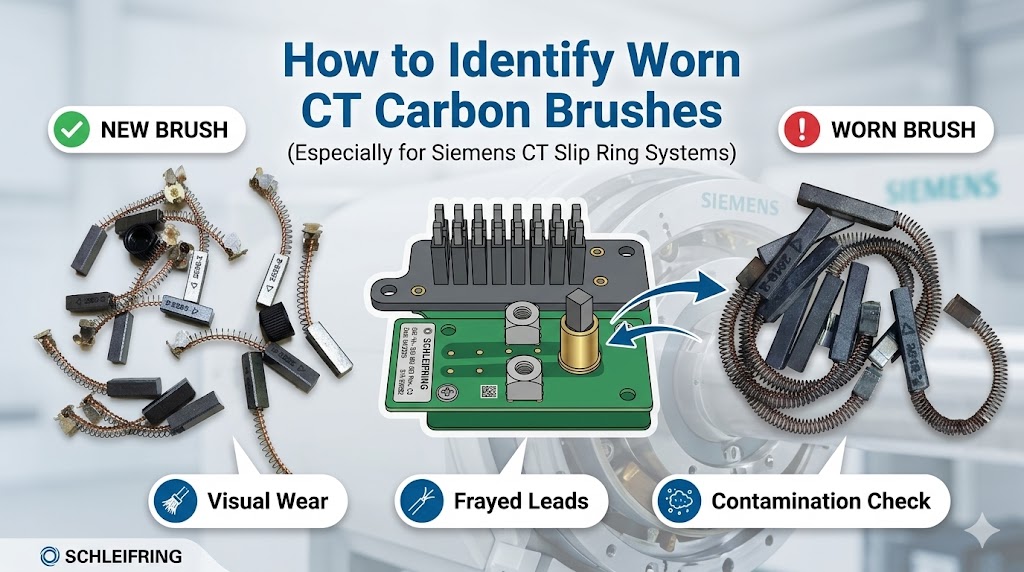
How to Identify Worn CT Carbon Brushes(Especially for Siemens CT Slip Ring Systems)
Carbon brushes are critical components inside CT slip ring systems.
When they become worn or unstable, the CT system may experience communication issues, gantry errors, or even unexpected shutdowns.
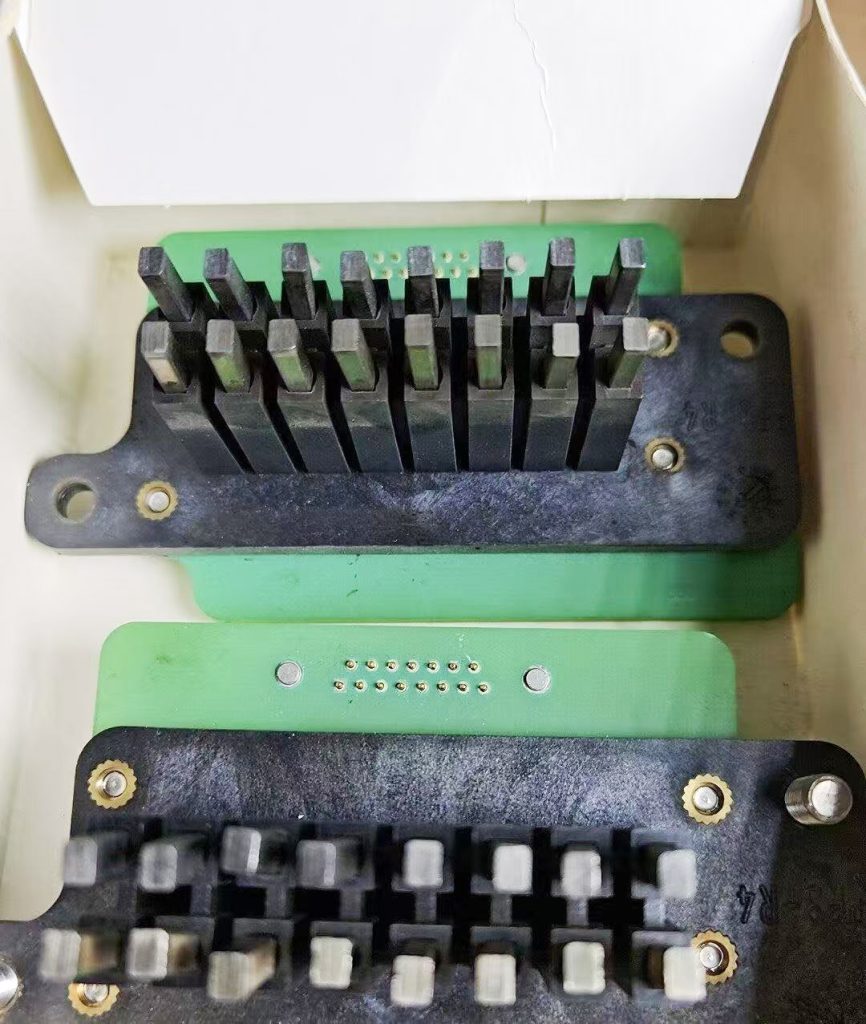
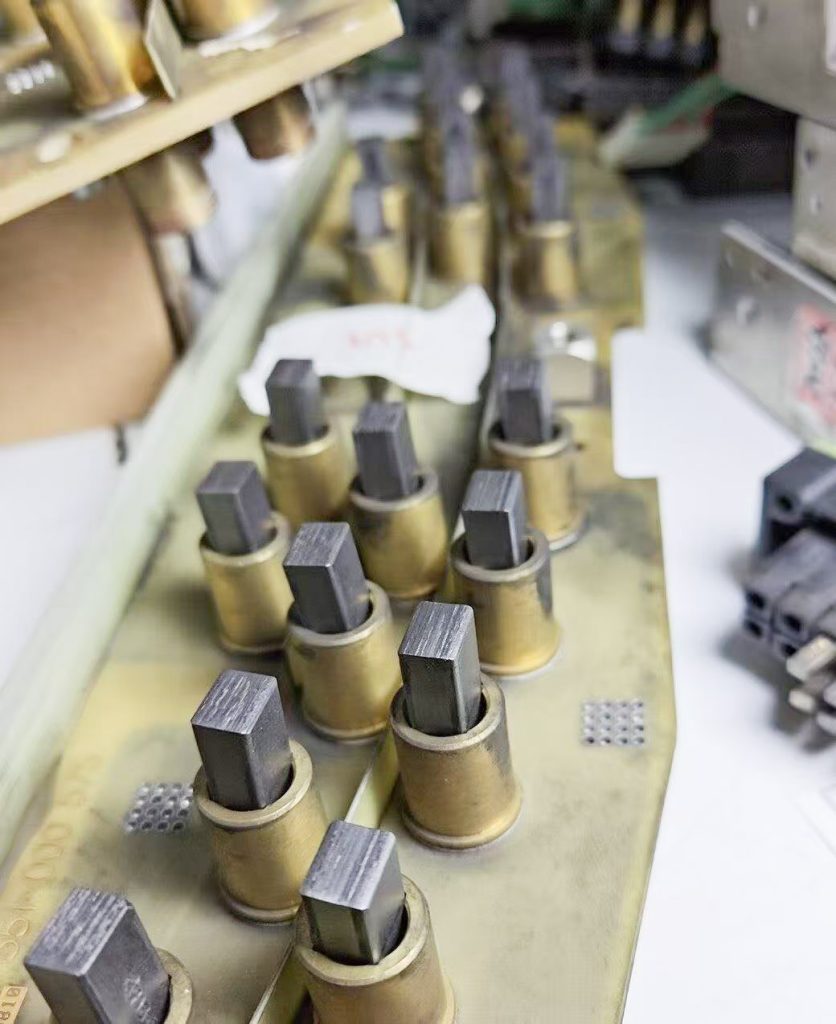
Here are several common signs that CT carbon brushes may need replacement:
✅ 1. Abnormal Gantry Noise
If you hear unusual friction sounds, scratching, or unstable rotation during scanning, the carbon brushes may be excessively worn.
✅ 2. Visible Brush Wear
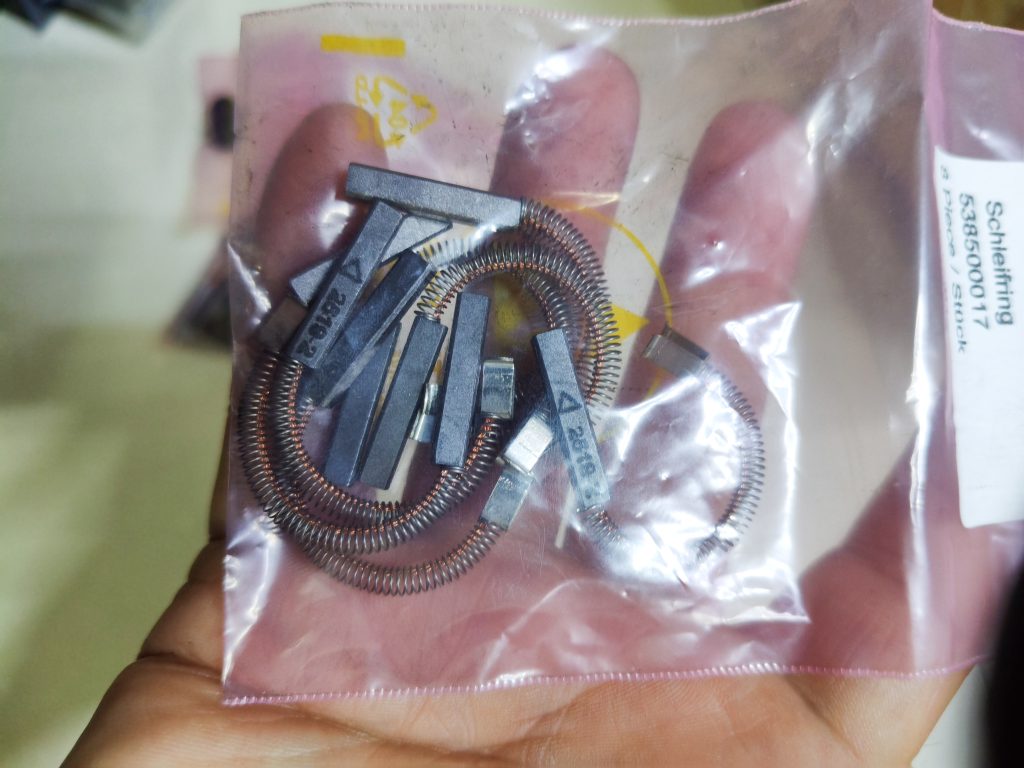
Check the carbon brush length.
If the brush becomes too short or unevenly worn, contact pressure may become unstable.
✅ 3. Surface Burning or Discoloration
Burn marks or darkened contact surfaces may indicate overheating or unstable electrical contact.
✅ 4. CT Communication / Slip Ring Errors
Worn data brushes can cause:
- intermittent communication issues
- gantry faults
- data transmission instability
✅ 5. Image Artifacts or Scan Interruptions
In some cases, unstable power or signal transmission from worn brushes can affect image quality.
✅ 6. Excessive Carbon Dust
Large amounts of carbon dust inside the slip ring area may indicate abnormal wear.
⚠️ Important:
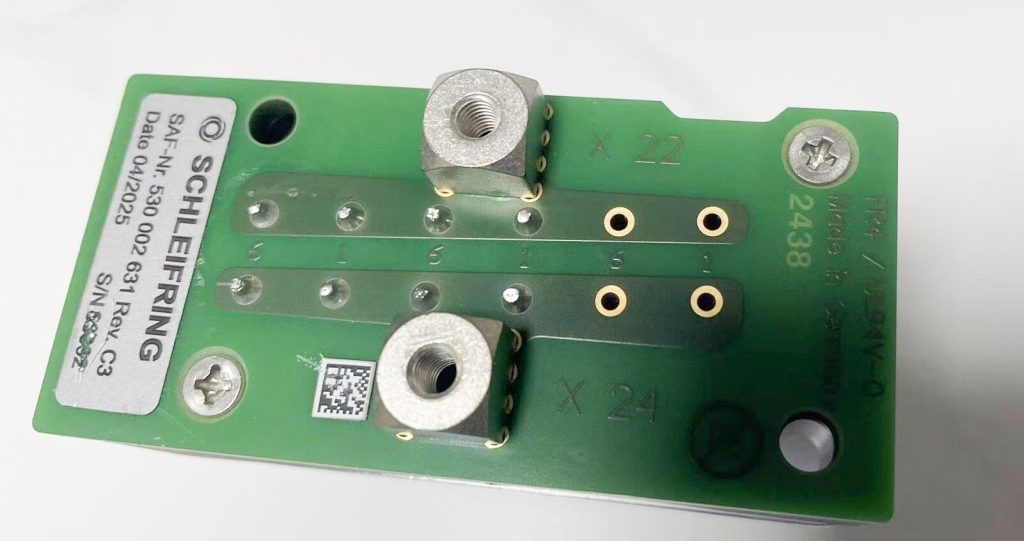
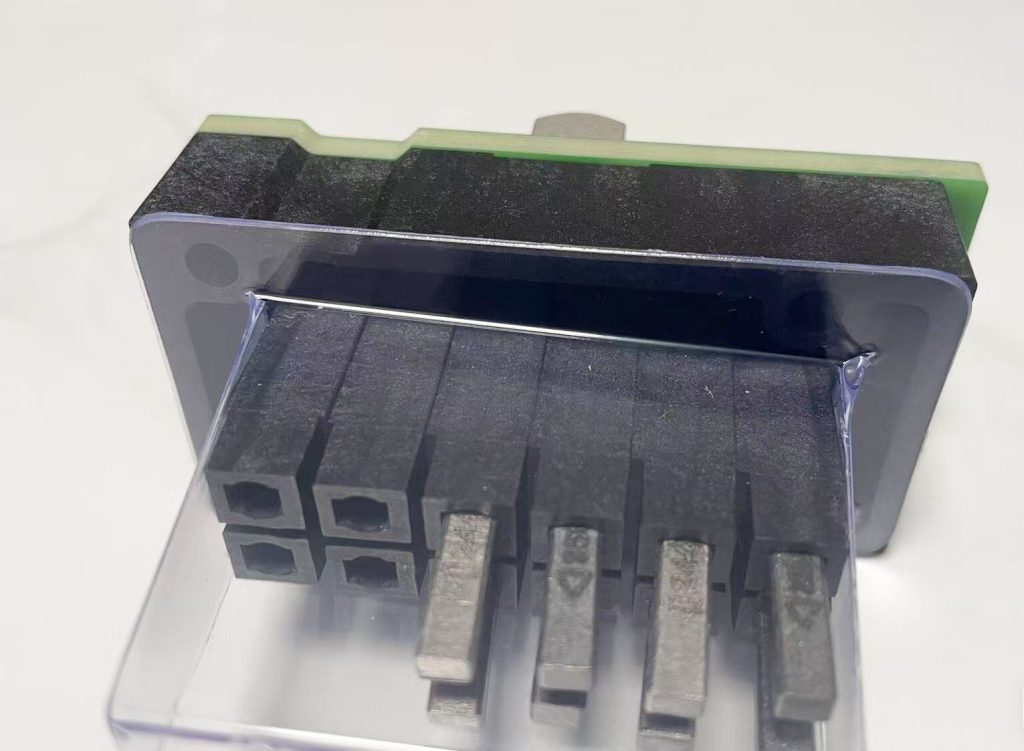
Different CT systems use different Data and Power carbon brushes.
Dimensions, material grade, and specifications must match correctly.
For Siemens CT systems such as:
- Somatom Emotion
- Somatom Perspective
- Sensation series
regular inspection of carbon brushes is recommended as part of preventive maintenance.
We supply:
✔ Original carbon brush sets
✔ High-quality replacement options
✔ OEM-compatible solutions for CT maintenance
Feel free to contact us for compatibility checking or technical discussion.
#CTScanner #SiemensCT #CarbonBrush #SlipRing #MedicalEquipment #BiomedicalEngineer #CTMaintenance #MedicalParts #Radiology #Biomedical